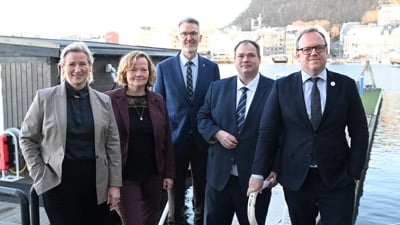
The agenda covered safety, emergency preparedness for major incidents, and the upcoming zero-emission requirements. The shared spirit was marked by a shared determination to find solutions. The conference was fully booked again this year, confirming its position as Norway’s most important forum for this dialogue.
Director General of The Norwegian Coastal Administration Einar Vik Arset started the conference off by referring to record figures for 2025: nearly 4,000 cruise calls and 1.6 million unique cruise passengers along the Norwegian coast. At the same time, he stressed that increased traffic places higher demands on safety and preparedness, and that close cooperation between authorities and the industry is essential.
“Visitors arriving in Norway by sea are always welcome. Incidents at sea are fortunately rare, the environment is among the cleanest in the world, and we are continuously working to ensure safe and efficient journeys along our coast,” Arset said.
He also encouraged cruise operators to maintain a low threshold for reporting incidents that could pose a risk to safety.
Director General of The Norwegian Maritime Authority Alf Tore Sørheim emphasized that the goal is always zero serious injuries or fatalities in the maritime industry. He highlighted the need for close cooperation on new environmental solutions, without compromising safety. Good working and living conditions for seafarers, including the management of fatigue and harassment, were also underscored as crucial to a safe and sustainable cruise industry.
“The cruise industry is at a crossroads. Never before have expectations for safety, environmental responsibility and innovation been higher, and never before has cooperation between authorities and the industry been more important,” said Sørheim.
Zero emissions in the World Heritage fjords
The introduction of zero-emission requirements in the World Heritage fjords for passenger vessels under 10,000 GT from 2026 will entail major technological and operational changes for the industry. From 2032, the regulations will also apply to larger passenger vessels.
Several presentations highlighted how shipping companies, ports and authorities are working together to achieve these ambitious—but necessary—goals. The aim is to protect the unique natural environment of the World Heritage fjords.
The new regulations present several challenges during the transition period, not least because the availability of zero-emission vessels will be limited in the early years. At the same time, the transition requires major investments in charging and port infrastructure and affects traffic patterns and logistics in the fjords. This creates uncertainty for ports, shipping companies and local communities alike.
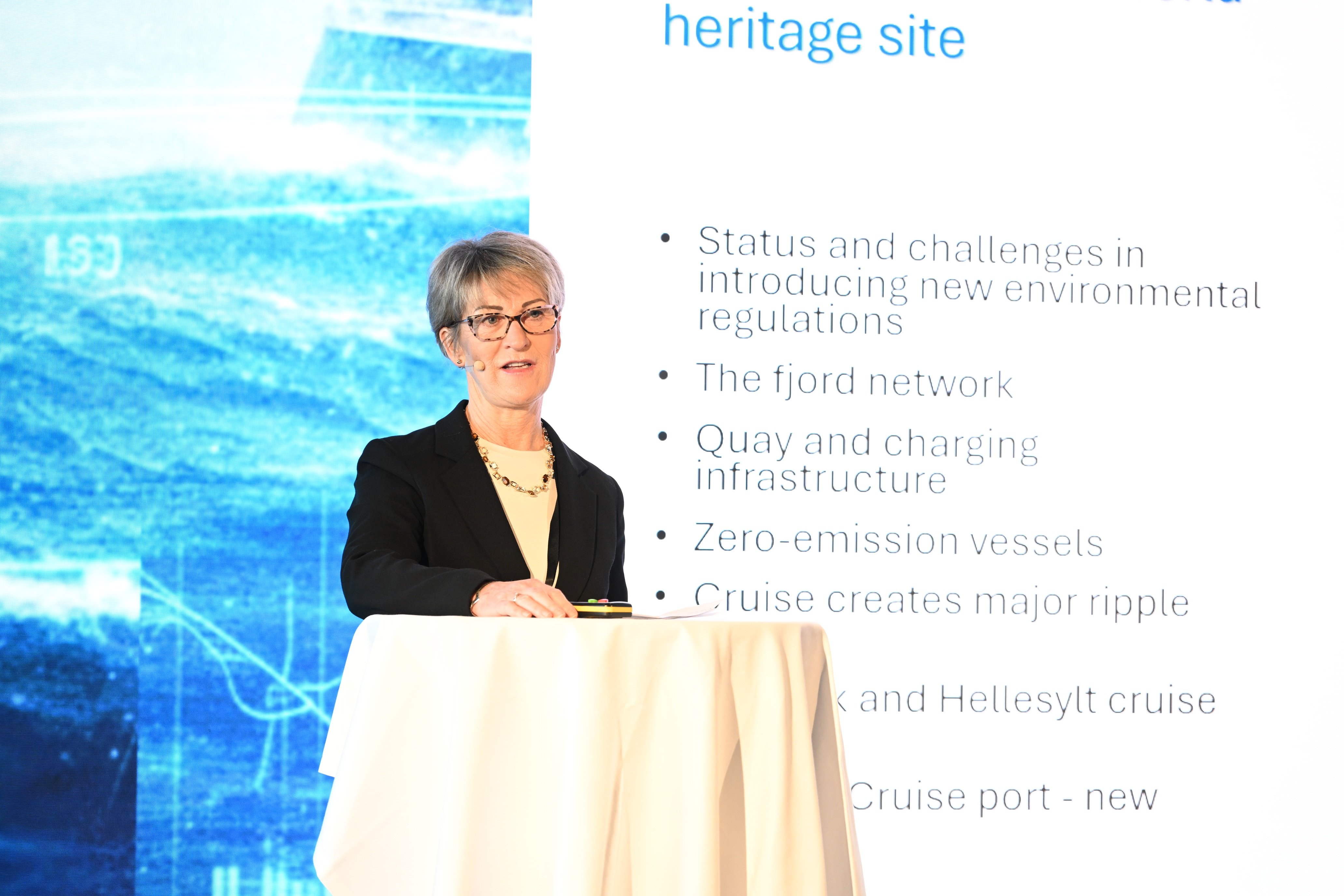
“We support the Norwegian government's ambition for a zero-emission-based tourism industry, said Rita Berstad Maraak, Port Director of Stranda Municipality.
We believe that realistic and achievable environmental requirements will help make both the fjords and Norway even more attractive as destinations”
The Norwegian Maritime Authority has recently received a number of applications for exemptions, which are currently under review. Operators are encouraged to begin planning at an early stage to ensure compliance with the regulations by 2026 and 2032.
“We understand that this is challenging for the industry. The regulations aim to balance environmental considerations with economic sustainability, while facilitating innovation and resilience in the sector,” said Henrikke Roald, Deputy Director for Regulations and Agreements at the Norwegian Maritime Authority.
Safety and emergency preparedness
The importance of strong emergency preparedness was clearly emphasized throughout the programme. And the focus: A shared responsibility of all stakeholders to prevent unwanted incidents. Systematic risk management, effective digital tools and regular exercises are essential to ensure the highest possible level of preparedness for a range of potential incidents. Several international cruise companies took the stage to present their work in this area.
A dedicated session also highlighted the Norwegian emergency response resources available in the event of an incident. Tugboat preparedness, local fire and rescue services, rescue coordination, vessel traffic services and pilotage services are among the resources that can provide assistance. Effective coordination among these actors can be crucial in an emergency situation.
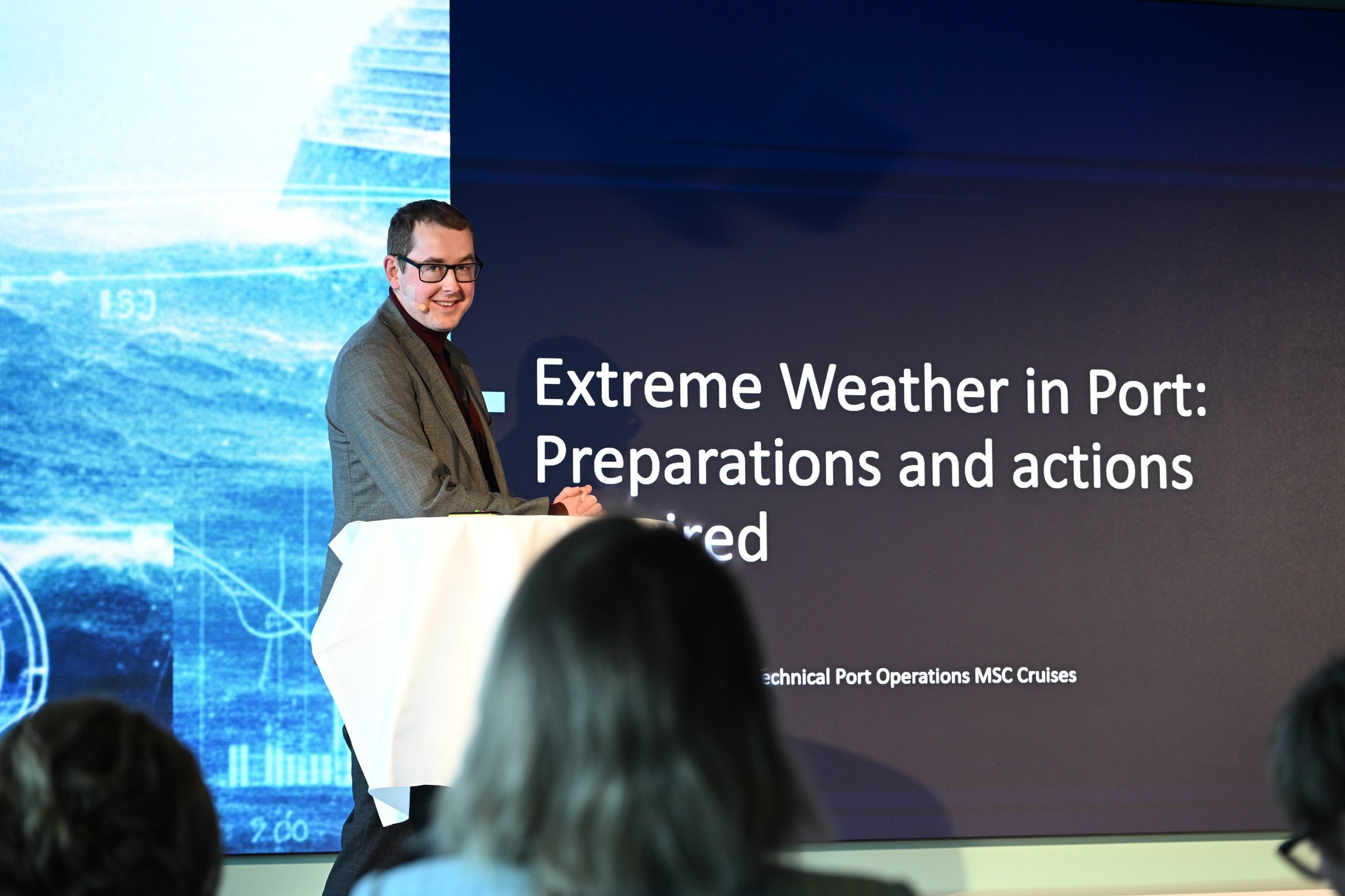
Ian Meachem, Head of Technical Port Operations, Global Port Operations Department, MSC Cruises.
Exercise, exercise, exercise
“Cruise traffic along the Norwegian coast is extensive – and growing. Practising demanding scenarios is essential to ensure a shared situational awareness. This is the message from the Norwegian authorities.”
With so many key stakeholders from the cruise industry gathered in one place, the opportunity was used to challenge both speakers and conference participants:
How would you handle a hypothetical scenario involving a fire on board a cruise ship in a Norwegian fjord?
Through a discussion-based exercise led by Kjetil Aasebø (The Norwegian Coastal Administration) cruise lines, agents, port authorities, service providers and numerous Norwegian authorities in attendance were invited to think out loud together about how such a situation could be managed in the best possible way.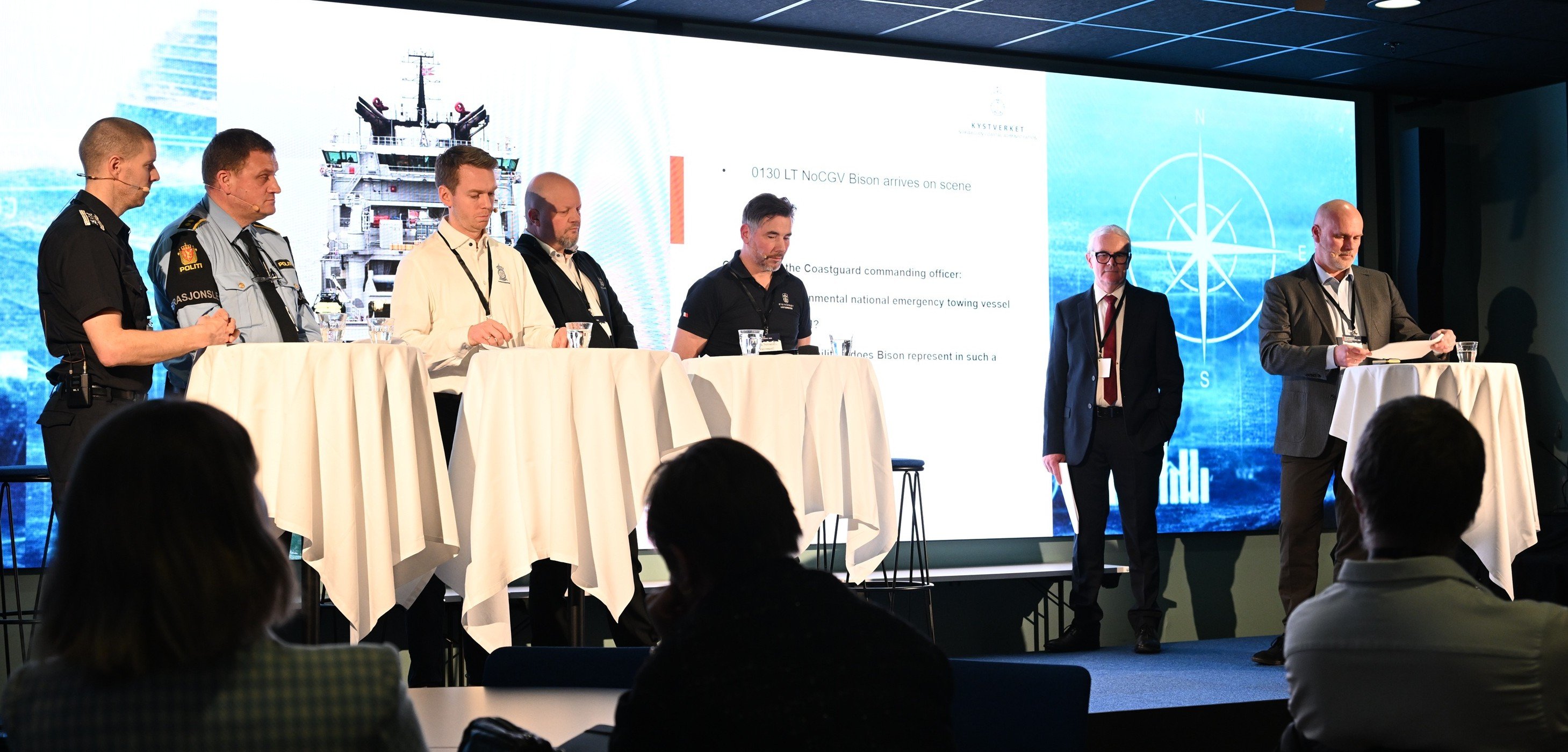
Competent authorities contributed their perspectives, roles and plans. From left: Sindre Egeness – Fire Chief, Ålesund / member of Maritime Rescue Operations with Special Fire Brigade Teams; Eivind Klokkersund, Operations Manager, Sunnmøre Police District; Andreas Ingsøy, Rescue Commander, Joint Rescue Coordination Centre (JRCC); Tormod Våga, Head of Kvitsøy VTS and representative of the collective rescue management at JRCC South; Geir Pettersen, Maritime Pilot, Norwegian Coastal Administration; Trond Langemyr, Vessel Traffic Service Operator, Vardø Vessel Traffic Service (NOR VTS); and Kjetil Aasebø from the Environmental preparedness department, Norwegian Coastal Administration.
“It was a constructive and valuable discussion, marked by strong engagement and a high level of expertise. We were able to highlight just how complex the management of such an incident can be. Clear lines of responsibility and close cooperation between shipping companies and authorities are essential. That requires regular training and exercises,” Aasebø commented afterwards.
An important meeting place
The organisers, the Norwegian Coastal Administration and the Norwegian Maritime Authority, supported by Cruise Norway and AECO, emphasized the value of coming together to find joint solutions to shared challenges.
CSO of Carnival Corporation, Marcin Banach, commented:
“The Norwegian Cruise Conference continues to be an important meeting place that brings together public authorities at both local and national levels, the cruise industry, and a wide range of maritime and shore-based stakeholders. We meet in an open and constructive dialogue on safety, emergency preparedness and operational challenges. The quality of the dialogue and the willingness to share experience across organisations and professional disciplines stand out as particularly positive, helping to strengthen the foundation for mutual trust and understanding.”
He went on to comment on the table-top exercise:
“The discussion-based exercise further reinforced this by providing a realistic insight into how multiple shore-based agencies would coordinate their response and mobilise resources in a complex cruise-related emergency situation. From an operator and shipowner perspective, such interaction is essential to ensure effective coordination between on-board measures and shore-side response. This benefits both the industry and Norwegian authorities – including the Norwegian Coastal Administration and the Norwegian Maritime Authority – and helps ensure safe and resilient cruise operations.”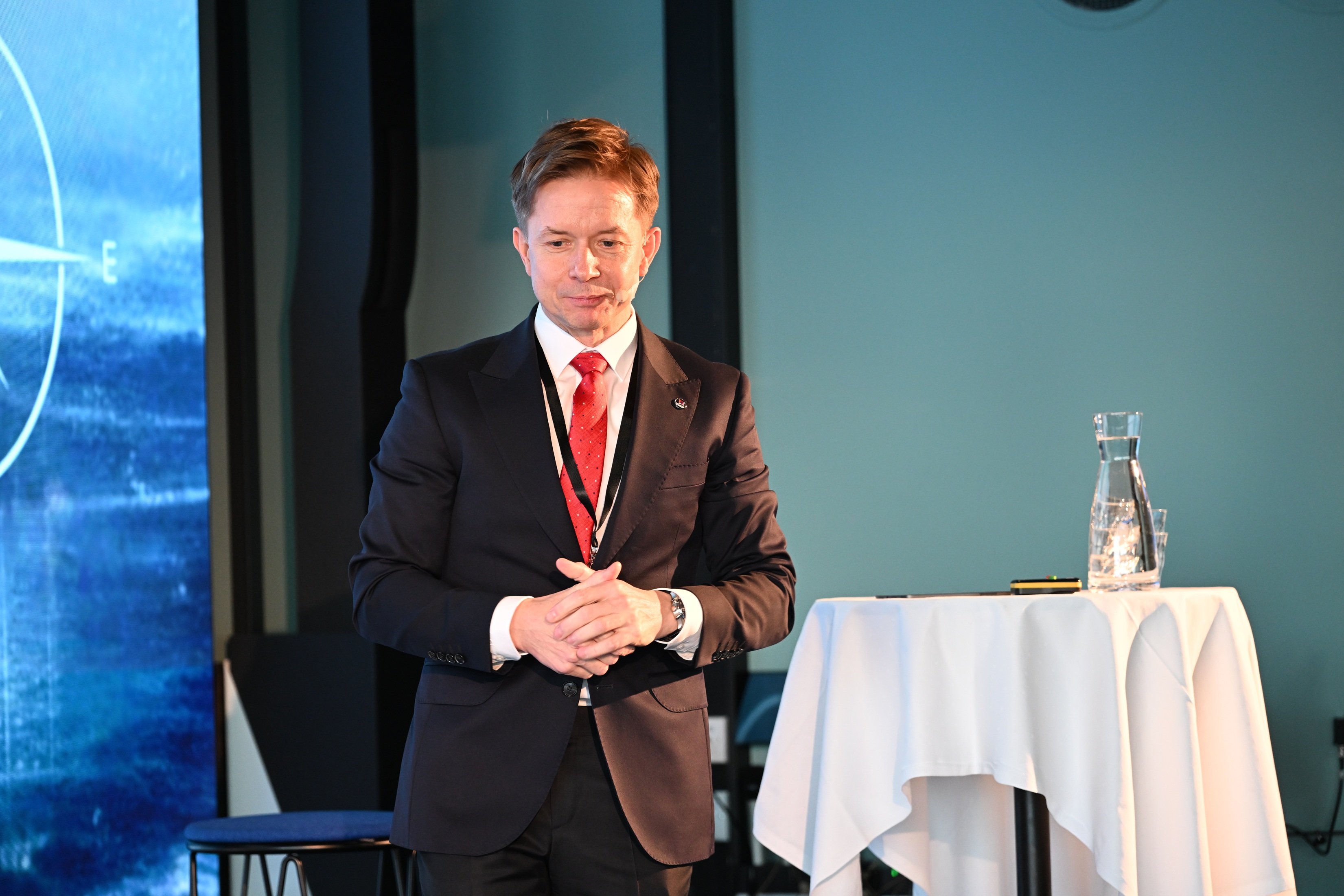
Captain Marcin Banach, Director Nautical and Security Operations, Carnival Corporation.
Throughout the conference day, the dialogue between the industry and public authorities was marked by a constructive, proactive and solution-oriented tone.
The Norwegian Cruise Conference is held annually.
Next Conference will take place in January 2027.
Updates will be published here: The Norwegian Cruise Conference
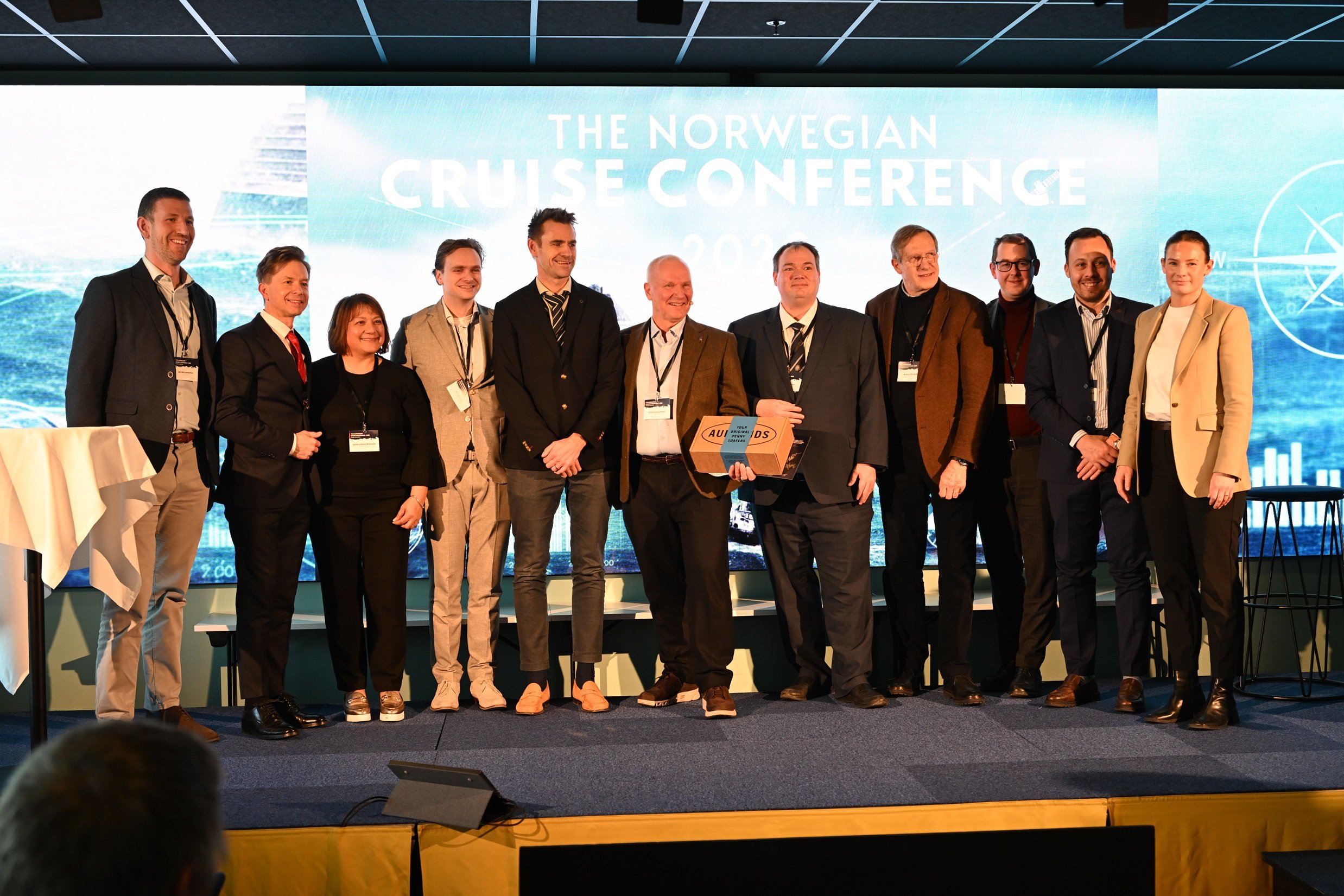
Director of Pilotage Erik Blom (Norwegian Coastal Administration, center stage) is retiring in the near future and was unexpectedly honoured by CLIA (Cruise Lines International Association) for his efforts to strengthen cooperation between the Norwegian Coastal Administration and the cruise industry. Representatives of the international cruise network CLIA took to the stage together with the Director of Pilotage, led by CLIA Regional Director Hans Chen Braas.