Hopp direkte til innhold

Operational guidelines - Shoreline operations

As LSFO properties and efficiency of cleaning techniques may be unpredictable, testing, evaluation, and adaptation of cleaning methods is crucial.  
Also SCAT approaches needs to be adapted when facing very scattered pollution that may occur as a result of tarballs formation.  

Behaviours and challenges with shoreline cleaning operations of LSFOs

Physical-chemical properties of LSFOs are highly variable, especially the pour point which can range from -10°C to more than 30°C. LSFO’s behaviour will differ from one oil to another and will be highly temperature dependant. 
When spilled at sea, weathering can cause LSFOs to progressively emulsify, forming larger viscous patches. Additionally, some LSFOs may break apart and solidify into small granular tarballs, resulting in diffuse shoreline pollution spreading over a wide area. This behaviour complicates detection, making oil patches difficult to locate and increasing the likelihood of remobilisation. 

Depending on the oil’s nature, weathering time at sea, and temperature, LSFOs can interact with the sediment as fluid, small fragmented tarballs or semi-solid highly viscous slicks.
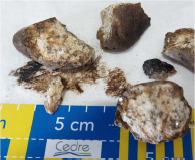
  • Wash-up of fresh and fluid LSFOs may lead to full penetration of the LSFOs on sediment beaches (sand and pebbles).
  • Solid/semi solid LSFO might melt into the sediments and thereafter solidify again – making it harder to find and remove.

Some LSFOs are very sticky, especially to man-made surfaces such as metal and painted surfaces, which can complicate cleaning operations. LSFOs take-off from pebbles can also re-attach to other substrates if not efficiently flushed with water, leading to re-contamination and reduced effectiveness of flushing or surfwashing operations.  

Penetration into rocks may occur, depending on the LSFOs and the rock natures. This phenomenon seems specific to this type of oils.

Recolonisation of polluted substrates by algae and biota is observed with time. Release of soluble and toxic compounds from lightly polluted hard substrates will most likely not induce higher toxicity than traditional heavy fuel oils.  


Guidelines - Sediment beaches (sand and pebbles)
  • For LSFOs reaching the shoreline as thick and semi-solid viscous patches, traditional initial clean-up equipment is recommended. Pumping of floating patches near the coast can however be difficult for sticky or highly viscous LSFOs.
  • For light or scattered pollution due to fragmented tarballs, manual recovery with shovel will be efficient.
  • Underwater agitation of sandy beaches can be recommended if the LSFO has fully penetrated in the sand.
  • Solidified oil will probably be easier to remove from the beaches if it is cleaned before the sun liquifies it.

The behaviour of LSFO is highly temperature dependent, and few degrees difference may be important. To increase beach cleaning efficiency, the following techniques can be considered: 

  • Flushing (with increased water temperature to make the oil more fluid)
  • Shoreline cleaning agents
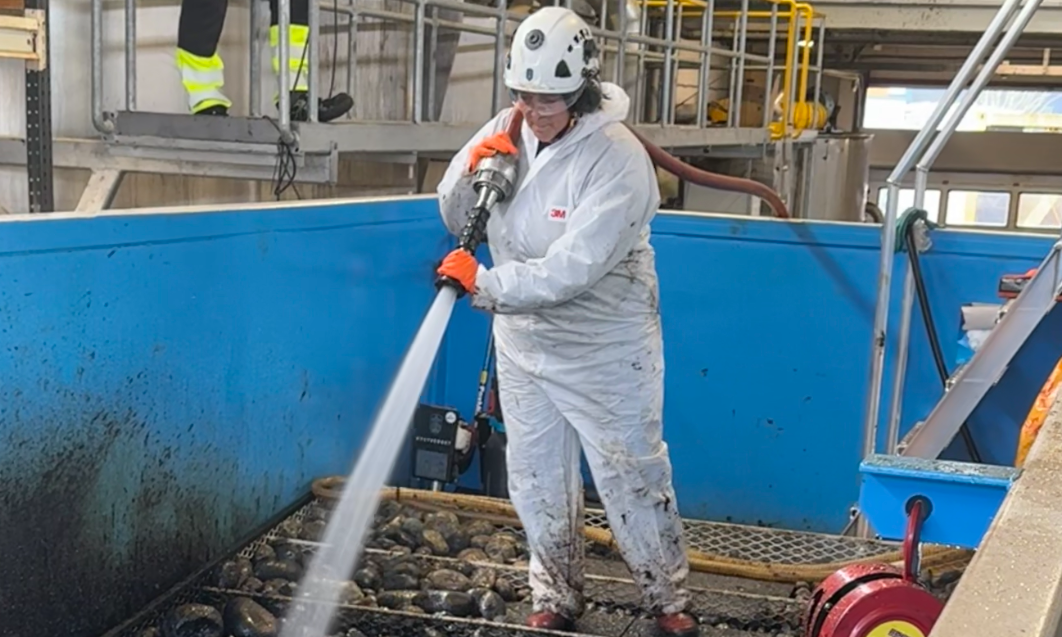
  • Tumbling (concrete mixer or excavator-based screening machine) with water and/or shoreline cleaning agents and/or sorbents as bark and peat (with increased water temperature).
  • Manual use of sorbents for polishing
  • “Tactical” use of surf washing (moving oiled sediments to the surf zone) can also be efficient, alone or together with other cleaning techniques and recovery methods.

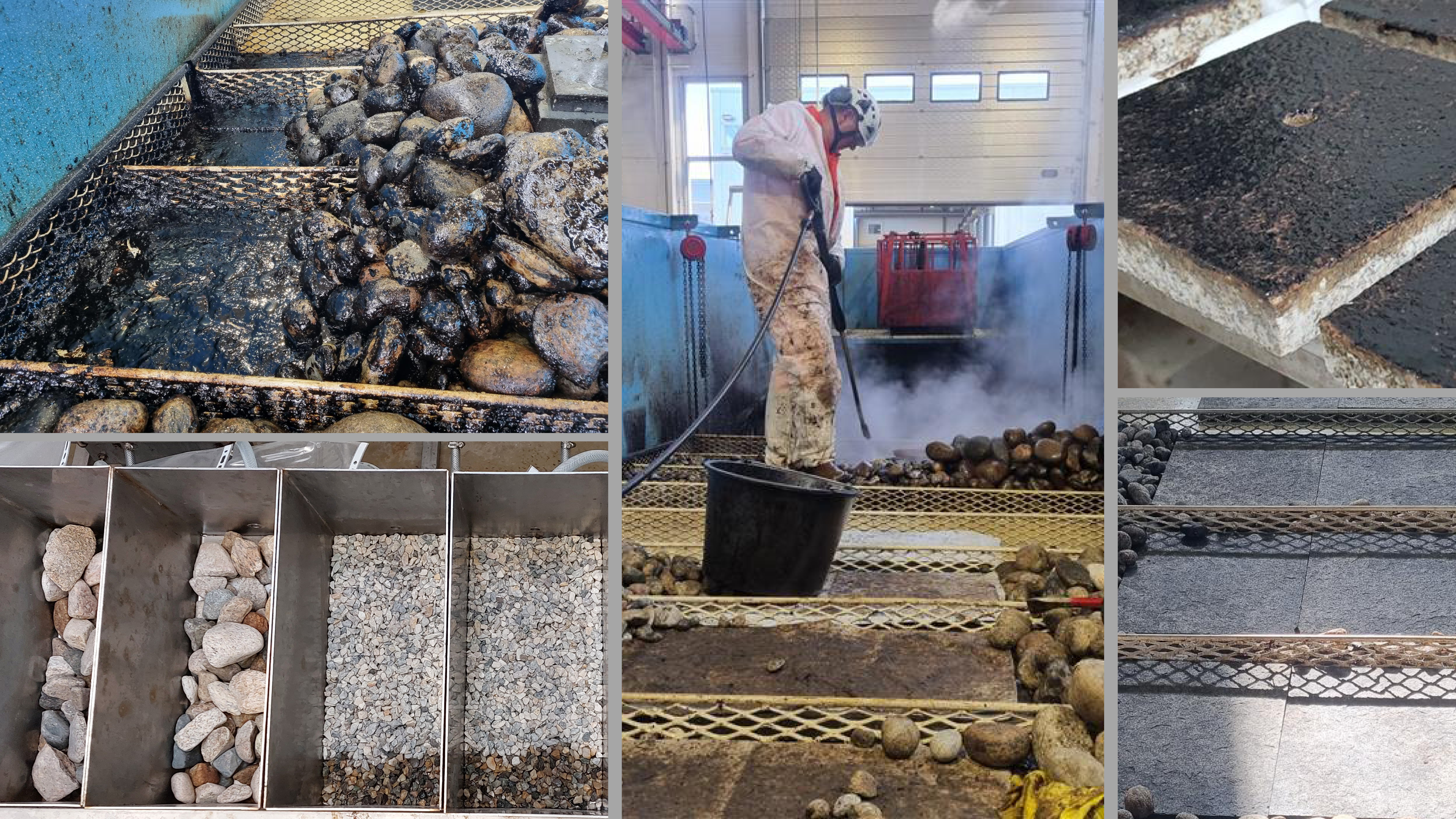
The clean-up can be challenged by stickiness of the LSFOs, leading to re-contamination of pebbles due to re-attachment of LSFOs. This challenge could be mitigated with a closed cleaning station equipped with a receiving pool with sufficient water volume. 

If oily effluents are released in the sea, attention must be raised on the skimmers’ efficiency (see operational guidelines for sea operations). Manual recovery methods (e.g. with hooves) may also be applied. 

Guidelines - Hard substrates (bedrock and manmade solid, boulder beach, etc.)

High pressure washing as a cleaning method is recommended (with or without increased water temperatures). The cleaning effect can be increased with shoreline cleaning agents if needed.

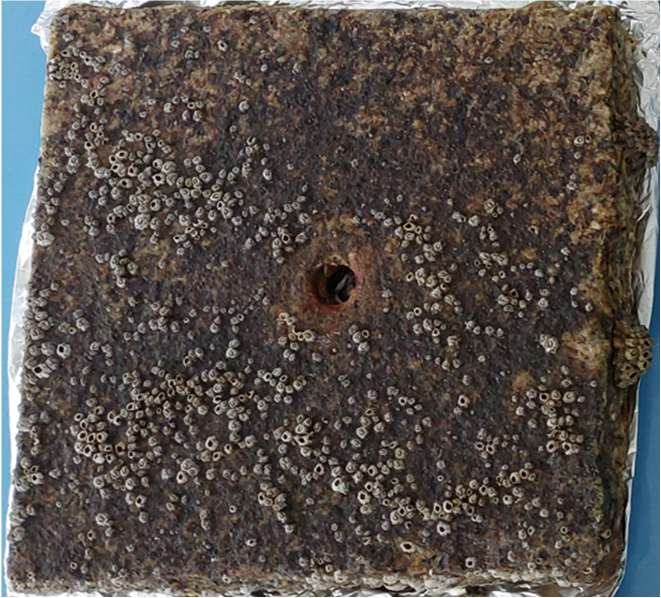
However, cleaning might not be sufficient, and the surfaces can remain stained. Natural cleaning, thanks to wave energy, solar radiation etc. will stimulate the cleaning process, especially in temperate and warm climates. Natural elimination of oil from hard substrate is observed with time, maybe enhanced by penetration process. In cold climate, natural removal processes are expected to be slower. 


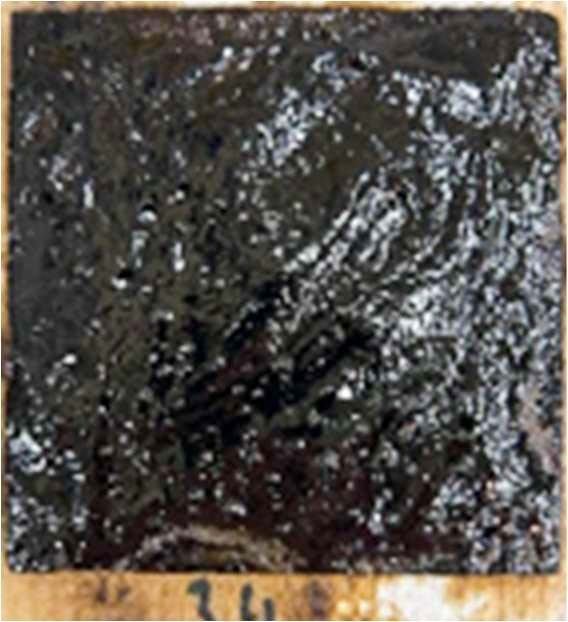
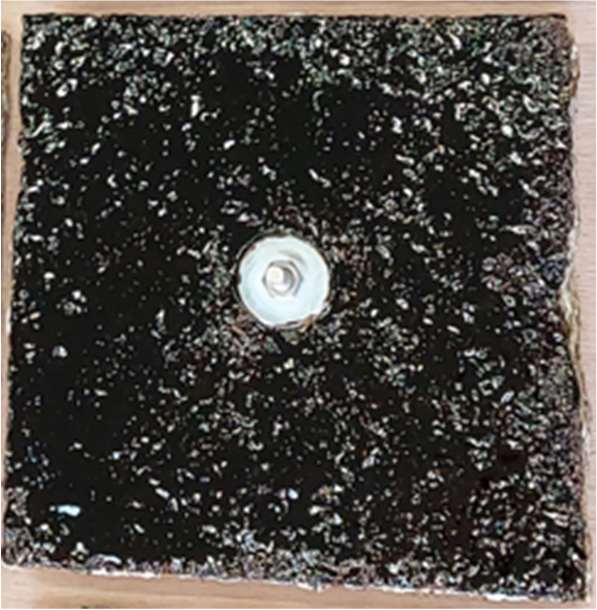
Slate and granite tiles covered with LSFO. The slate tile was washed at 25°C/50 bar after addition of a surface cleaning agent, while the granite tile was left for natural degradation for 11 months. Oil elimination and colonisation by barnacles were observed.


Download

Til toppen